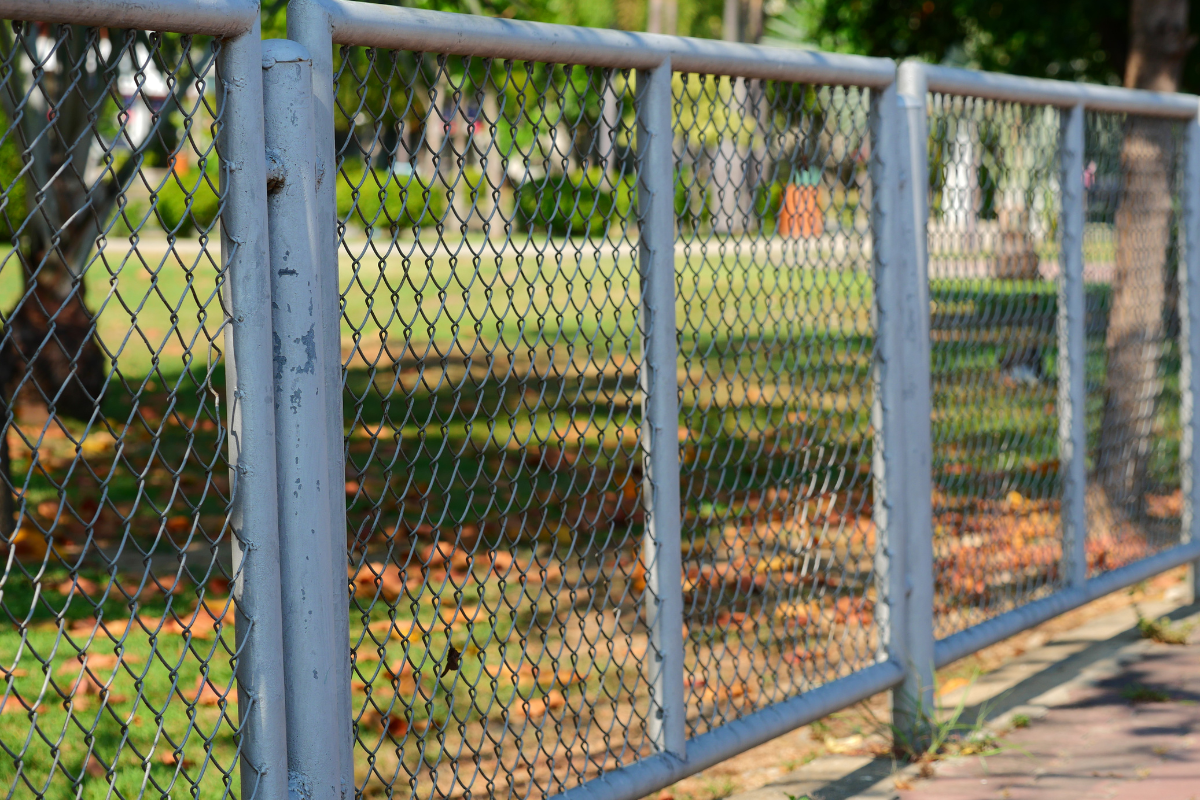
Chain link fencing earns its keep quietly. It keeps kids and pets inside the yard, discourages trespassers, frames ballfields, and secures job sites. It does all that while taking a beating from weather, lawn equipment, and the occasional backing truck. Over time, even the best fence will sag, rust, or snap. When that happens, the question isn’t whether to repair, but how to do it well so the fence regains its strength and looks intentional, not patched together.
I’ve worked with chain link fences on residential backyards, distribution centers, and city parks. The material is forgiving, but the details matter. A clean, tight fix requires good judgment about what to keep, what to replace, and how to stage the work so you don’t spend twice as long wrestling with bent pipe and stretched fabric. If you’re looking for chain link fence repair near you, use this guide to understand the process, the costs, and what to expect from a professional chain link fence contractor.
Why chain link fails, and what that tells you about the fix
Chain link’s core strength comes from tension and triangulation. The mesh fabric gets stretched tight between terminal posts, then tied to line posts that hold alignment. Once tension starts to loosen or a post goes out of plumb, the rest of the fence has to work harder, and stress concentrates in the wrong places. That’s when you see ripples in the mesh, loose ties, and slumped top rails.
Damage usually falls into a handful of patterns. Wind pushes a tree onto a section and buckles the top rail. A plow throws a wall of snow against the fence, popping it off the posts. The tension wire along the bottom breaks after years of rocking back and forth in the wind. Rust blooms where the galvanizing wore thin, especially in coastal areas or near irrigation overspray. Dogs climb the mesh or dig under it, creating a stretched belly that never quite settles back.
Each failure points toward a repair strategy. A bent line post can be swapped without retensioning the entire run. A broken terminal post or pulled tension band means you’ll be resetting at least one anchor and re-pulling fabric. Surface rust can be slowed with prep and paint, but flaking, scaly rust on thin-wall posts often means replacement is the honest choice.
What counts as a solid repair
Repair work divides into two buckets: structural integrity and long-term resilience. You can make a fence look straight for photos, yet have it slack again in a season. A solid repair addresses the load paths.
- Posts: If a post wiggles more than a quarter inch at the top under firm push, the footing may be undersized, undermined, or cracked. Driving new line posts with driven anchors can work in tight spaces, but for terminal and gate posts, concrete footings are the reliable standard. Depth should match frost line plus a margin. In much of the US, 24 to 36 inches does the job; in frost-prone regions, 36 to 48 inches keeps heave from shifting the post. A chain link fence company that asks about your soil type and frost depth is already thinking correctly. Rails and bracing: Top rail should hold true without dips. For runs over about 100 feet, mid-bracing or brace bands at terminals help. If you see an older fence where the top rail was sleeved with short inserts to fix a bend, plan on replacing full rail lengths rather than stacking sleeves. It saves callbacks. Fabric tension: Good tension feels like a drum. You shouldn’t be able to push the mesh more than an inch or two at mid-span. Tension bars slide through edge diamonds and connect to terminal posts with bands. Pulling fabric with a come-along and stretcher bar distributes load evenly. Pulling by hand with a couple of ties will give you a wavy fence that loosens quickly. This is where experienced chain link fencing services earn their fee. Connections: Ties, hog rings, and bands should be zinc-coated or stainless where corrosion is a problem. If you’re reusing old bands, check for elongation or cracks at the bolt hole. Replace cheap aluminum ties that snap under cold flex.
When to repair, when to replace an entire section
You can repair nearly anything, but it doesn’t always pay. The decision usually hinges on the posts and the coating.
If posts are solid, plumb, and entrenched in good footings, you can refresh rails and fabric economically. I’ve revived a 300-foot industrial run by replacing 40 percent of fabric, a handful of top rails, and all the ties and bands. It looked new and cost half of a full replacement.
If two or more terminal posts are compromised, or if you can flake rust off the posts with a fingertip, replacement makes more sense. Galvanized fabric typically lasts 15 to 25 years in dry inland climates, 10 to 15 years near salt or fertilizer. Vinyl-coated fabric stretches that by a few years, but once the coating peels, rust accelerates underneath. A chain link fence installation with new posts and fabric restores the spine of the fence. Trying to build on failing posts gives you a short honeymoon and a bigger bill later.
Gate systems deserve their own callout. If you’re fighting a sagging gate, check three things before blaming the hinges: post plumb, gate frame square, and hinge/badger spacing. A straight gate on a crooked post will never latch cleanly. Sometimes the fix is as simple as resetting the latch height and adding a drop rod. Other times, the gate post footing has rotated and needs to be rebuilt. A competent chain link fence contractor will sight the run and put a level on the posts before touching the gate hardware.
Common repair scenarios and how pros tackle them
I’ll describe the approach I’ve used in the field. The exact steps adjust with site constraints, but the principles hold.
Bent line post from impact: If the concrete footing is intact, cut the top rail on both sides, release ties, and extract the bent post. Drive a sleeve to protect existing concrete and set a new post with non-shrink grout or fresh concrete keyed to the old footing. Replace a continuous top rail length rather than multiple short sleeves, then reattach the fabric, add new ties at 12 to 18 inch spacing, and reset tension wire if needed. With two techs, this takes about 1 to 2 hours per post unless the footing needs replacement.
Top rail buckle https://maps.google.com/maps?ll=30.315893,-92.073996&z=16&t=m&hl=en&gl=US&mapclient=embed&cid=2241039838275878048 under snow load: Remove rail ends to relieve stress. If only one or two rails are deformed, replace those lengths and inspect for hidden kinks at the sleeves. Check brace bands at terminals, then reattach and sight for level. If the buckle coincided with loose fabric, add a stretcher bar pull to re-tension.
Fabric torn by tree limb: Cut back to clean diamonds, splice in a new panel with weave-in technique rather than overlapping. The clean weave maintains uniform tension and looks factory. Finish with a tension bar at the terminal. Avoid band-aid patches with short offcuts; they snag and telegraph the repair.
Loose bottom edge and pet escapes: Add or replace bottom tension wire. In high-traffic yards, I prefer a bottom rail for rigidity, but it costs more and requires more posts to stay aligned over undulating ground. For diggers, a buried apron of fabric or a concrete mow strip stops the problem. A 12 to 18 inch buried skirt, turned outward, is humane and effective.
Corrosion around pool equipment or sprinklers: Swap to powder-coated or vinyl-coated fabric and hardware in the immediate zone. Where galvanic corrosion is suspected, avoid mixing dissimilar metals, or use isolators on bands and hinges. Rinse zones exposed to fertilizer or salt in winter as part of maintenance.
What professional chain link fencing services include
A credible chain link fence company does more than show up with pliers and a come-along. They assess the run, measure tension span lengths, and decide where to stage pulls so you avoid overstretching fabric. They carry inventory that matches your fence’s gauge and mesh size, or they tell you if an exact match isn’t available and propose a discreet transition.
Expect site protection and cleanup. Cutting galvanized steel throws shards; good crews use mats, magnets, and sweeping to protect lawns and driveways. They’ll also check underground utilities before setting new posts. It sounds basic, but I’ve seen sprinkler lines shredded by careless augering. A quick locate request prevents that headache.
Scheduling matters too. If you’re inside a school or on a commercial site, a chain link fence contractor used to working around access restrictions will coordinate after-hours or phased work, and will provide insurance documentation. On residential properties, the courtesy of calling before arrival and finishing with the gate latched the way they found it is not trivial. It shows reliability.
Materials and specifications that separate a lasting repair from a short-term patch
Gauge and mesh size drive durability. Residential fences are commonly 11- or 11.5-gauge fabric with 2 inch diamonds. Heavier 9-gauge with 1.75 inch diamonds stands up better to abuse, and I recommend it near sports courts or dog runs. Top rail often comes in 1-3/8 inch diameter, terminals in 2-3/8 inch. If you have frequent impacts or tall fences above 6 feet, step up to 1-5/8 inch top rail and heavier-wall posts.
Coatings matter. True hot-dip galvanizing offers uniform zinc coverage. Some budget imports use electro-galvanized coatings that look bright but wear faster. Vinyl-coated fabric looks cleaner and reduces finger snagging, but if the substrate galvanizing is thin, the lifespan gain is smaller than advertised. In coastal zones, spend on higher zinc weight and stainless or polymer-coated fasteners. In snowy climates, choose hardware that tolerates freeze-thaw without cracking. If a contractor can explain their material choices in the context of your climate, you’re in good hands.
Concrete quality is frequently overlooked. A 3000 psi mix with proper consolidation and bell-shaped footing at the base locks a terminal post far better than a loose pour. In soils with expansive clay, I’ll add a gravel collar for drainage and isolate the footing with a void form above the frost line. It’s a small cost for a big reduction in heave.
Costs you can expect and how to keep them in line
Rates fluctuate with steel prices and local labor, but a few anchors help. Replacing a bent line post with new top rail and ties often runs 150 to 350 dollars per post, depending on footing work. A new terminal post with concrete footing typically ranges from 250 to 600 dollars. Fabric replacement is usually priced by linear foot. For 4 to 6 foot heights, expect 12 to 25 dollars per foot for fabric alone, more with vinyl coating, and more again if you add bottom rail instead of tension wire.
Travel and minimum charges apply to small jobs. If you have a single broken rail, it’s worth bundling with other maintenance tasks like replacing rusted bands, adding a tension wire, or resetting a latch to make the service call efficient. Most chain link fencing services will give a better per-unit rate when the crew can work continuously rather than hop between micro tasks.
Permits are rarely required for like-for-like repairs, but check local rules for fence height and location if you’re changing layout or replacing long runs. In a few municipalities, replacing more than a set percentage of a fence triggers current code compliance.
How to choose a chain link fence contractor, not just a handyman with pliers
You’re looking for knowledge, inventory access, and accountability. The simplest screen is conversation. Ask how they’ll re-tension fabric and what hardware they’ll replace by default. A professional will mention stretcher bars, tension bars, and band spacing without fumbling. They’ll have a sense of lead times for specific fabric gauges and mesh sizes.
Ask for examples of similar repairs. Any seasoned chain link fence company can show photos of before-and-after runs with clean lines and tight fabric. References carry more weight than online stars. Call one and ask if the gate still latches smoothly after a few months.
Insurance and worker safety matter, especially around schools and facilities. Confirm they carry liability and workers’ comp. If they’re hesitant to provide certificates, find another contractor.
Finally, clarity in scope. A good bid outlines which posts, rails, and fabric sections will be replaced, how they’ll handle hidden issues like soft footings, and what’s included in cleanup. If a contractor simply writes “fix chain link fence,” expect mismatched expectations later.
The repair process, from first call to final tie
When a chain link fence repair goes smoothly, it’s because the contractor staged it properly. Here’s how a well-run project typically unfolds.
Site assessment: Walk the entire run, not just the obvious damage. Look for secondary issues like a loose bottom wire fifty feet away or a slightly leaning terminal that will affect tension. Measure the fabric height, mesh size, and wire gauge. Note obstacles, utilities, and access points for materials.
Material matching: Order fabric and rails that match existing. When perfect matches aren’t available, place transitions at terminals or less conspicuous points, not in the middle of a span. The most seamless repairs disappear into the original work.
Demolition and prep: Remove damaged components carefully to preserve reusable parts. Cut rails cleanly rather than crimping. Extract posts with minimal footing disruption if you’re reusing concrete. Protect landscaping and hardscapes with boards and drop cloths.
Setting posts and rails: Install posts plumb and to correct height, accounting for cap thickness. Allow concrete to cure adequately before applying full tension. Dry-set anchors can speed small jobs, but expect more movement under load. Assemble top rail continuous with sleeves positioned away from mid-spans to avoid visible joints at eye level.
Tensioning fabric: Hang fabric on one terminal with a tension bar and bands. On the far terminal, use a stretcher bar clamped to the fabric, then pull with come-alongs evenly. Aim for a consistent, taut surface with vertical diamonds true. Tie fabric to line posts and rails at consistent intervals. Install bottom tension wire, then add hog rings every 18 to 24 inches, tighter in high-traffic zones.
Gates and hardware: Square the gate frame, set hinge spacing, and adjust latch height. For cantilever or rolling gates, inspect track and rollers for wear. Replace bushings rather than bending brackets to compensate for slop.
Finish and inspection: Cap posts, file sharp edges, and touch up galvanizing with cold galvanizing compound on cut points. Walk the line, push at mid-span, and tweak ties where small ripples appear. Clean the site.
Maintenance that saves you money later
A chain link fence doesn’t demand much, but a few habits extend its life.
Keep vegetation off the mesh. Vines add surprising weight and hold moisture against metal. Trim irrigation so sprinklers don’t blast the fence daily. Once a year, walk the run and tighten any loose ties. Touch up cut ends and scratches with zinc-rich paint. After heavy wind or snow, look for subtle shifts at terminals and gates before they become bigger problems.
On commercial sites, add bumpers or bollards where vehicles back near the fence. Cheap plastic rail guards on high-contact spots like sports fields prevent dents. Small investments here avoid the domino effect of one bent rail leading to a slack span.
Repair vs. upgrade opportunities
If you’re already mobilizing a crew, consider upgrades that add function without a full rebuild. Privacy slats slide into existing fabric and add screening, though they increase wind load, so verify post and footing capacity first. Barbed wire or security toppings require proper terminal extensions and can be retrofitted on many fences. For pet-heavy yards, swap bottom tension wire for a bottom rail to stiffen the fence and stop push-outs. On older galvanized fences that still have good bones, switching to black vinyl-coated fabric and hardware refreshes the look and offers mild corrosion resistance. The key is confirming your posts and footings can handle new loads.
What “near you” really means for response time and value
Local matters in fence repair. A nearby chain link fence company knows your soil and weather. They’ve seen frost heave in your neighborhood and know which cul-de-sacs require smaller rigs. They also have supplier relationships that can shave days off material wait times. If you call for an urgent repair, like a downed section at a daycare, a contractor across town might fit you in same day. The one two counties away will not.
That said, hyper-local isn’t everything. For specialty jobs like repairing 10 foot security fences with razor ribbon or matching industrial-spec fabric, the right chain link fencing services may be regional. Balance speed with capability. Ask the dispatch coordinator about emergency rates versus scheduled rates, and whether a temporary panel can secure the site while you wait for a full repair.
A brief homeowner’s toolkit for small fixes
Not every issue needs a crew. If you’re comfortable with pliers and basic safety, you can handle simple tie replacements or reattach a short top rail sleeve. Here is a compact checklist that covers quick maintenance without slipping into full-blown construction.
- Keep a bag of 9- or 11-gauge galvanized ties, a pair of linesman pliers, and a small magnet for collecting cuttings. Replace missing ties at 12 to 18 inch intervals along the top rail and at each line post where the fabric has loosened. For a minor top rail separation at a sleeve, loosen adjacent ties, slide the sleeve back, reinsert the rail, and retighten, taking care to avoid sharp burrs. Apply cold galvanizing compound to fresh cuts or scratches to slow rust, especially after trimming for a gate latch. If a section bows inward, avoid pulling by hand at a single point. Without a stretcher bar, you can easily distort the mesh and make a professional repair harder later.
Once repairs involve post movement, gate rehanging, or fabric splicing longer than a few feet, call a chain link fence contractor. The tools and technique matter more than most folks expect.
Signals that it’s time to bring in the pros
You don’t need to be a fence expert to recognize when a job is out of hand. Watch for these indicators that professional chain link fencing services will save time and frustration.
- A terminal post has shifted, and the entire span has ripples you can’t smooth with hand ties. The gate drags even after hinge adjustments, or the latch won’t catch because the alignment wanders as the day warms or cools. Rust flakes off posts or rails in layers, and tapping with a hammer sounds dull rather than ringing. The bottom edge lifts or gaps appear beneath the fence in more than one location due to ground movement. You need to match older fabric and hardware across a long, visible stretch where a mismatch will show.
A technician with a clamp bar, come-alongs, extra rails on the truck, and a plan can make quick work of these problems. The difference between a passable fix and a crisp result lies in how the tension is set and how cleanly the components are integrated.
The case for choosing specialists for chain link work
General fence installers can handle chain link, but repair is its own craft. A company that focuses on chain link fencing brings muscle memory and the right inventory. They know how to splice fabric without telegraphing a line, how to set a gate to swing fingertip-light and still latch in a storm, and how to avoid the common shortcut that leads to sag six months later.
In my experience, the best chain link fence installation and repair crews take pride in straight lines and tight diamonds. They’ll step back, sight the run, and adjust a tie or two even after the invoice is signed. That eye for alignment is the difference between a fence that simply stands there and one that looks like it belongs.
Final thoughts from the field
You can judge a repair by whether you stop noticing it after a week. A dependable chain link fence disappears into its job, keeping what needs to be in, in, and what needs to be out, out. Achieving that isn’t complicated, but it is exacting. It comes down to sound posts, correct tension, matched materials, and tidy hardware.
If you’re searching for reliable chain link fence repair near you, look for a contractor who talks about those fundamentals. Ask them how they’ll stage the pulls, what gauge fabric they’ll use, and how they’ll protect your yard or facility during the work. The right team will explain the trade-offs clearly, give you options that fit your budget, and deliver a repair that holds through storms, seasons, and the daily wear of real life. That’s the standard worth paying for, and the one that keeps your fence quietly doing its job for years.
Southern Prestige
Address: 120 Mardi Gras Rd, Carencro, LA 70520
Phone: (337) 322-4261
Website: https://www.southernprestigefence.com/